About Dr. Ronna Milo Haglili, PsyD
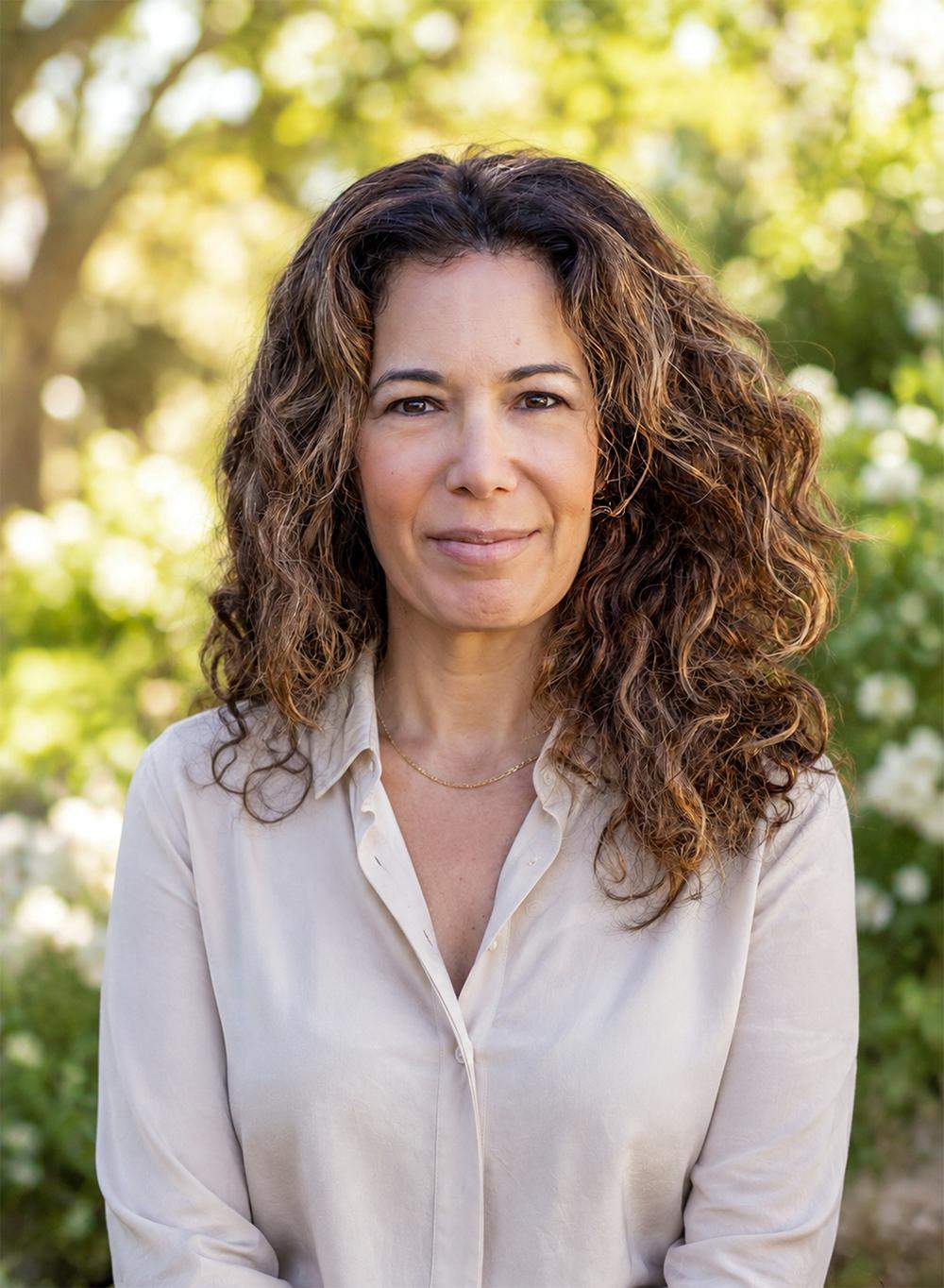
I see psychotherapy as a space for reflection, understanding, and connection: a place to slow down enough to listen carefully to experience, including what may be difficult to acknowledge or put into words.
My role is to create conditions in which more of who you are can emerge and become known.
My work is grounded in psychoanalytic and psychodynamic psychotherapy and informed by relational, systemic, and attachment-based approaches. I remain engaged with current research and effective modalities, and may draw on skills-based approaches such as CBT, DBT, and EFT, as well as neuroscience, when they support the work.
In couples and family work, I am curious not only about each person’s experience, but also about the relationship as a whole. Patterns are not simply discussed; they can play out in the present, allowing for immediate understanding and powerful change. I also attend to emotional legacies that can be carried across generations.
As a bilingual and bicultural psychologist, I am especially interested in identity, belonging, migration, minoritization, cultural differences, and intergenerational experience. These themes inform my work with people from diverse backgrounds without assuming that any two experiences are the same.
Professional Background
My experience spans community mental health, schools, medical centers, intensive outpatient programs, clinical training institutes, and private practice. As Training Director at Bay Area Clinical Associates (BACA), I supervised and trained doctoral clinicians, developed the academic curriculum, and led the training program supporting intensive outpatient and partial hospitalization services. I also served as a staff psychologist in Kaiser Permanente's Child and Adolescent Psychiatry Department.
I remain engaged in psychoanalytic study, teaching, and supervision. I am a psychoanalyst-in-training at the San Francisco Center for Psychoanalysis and have held educational and leadership roles in psychoanalytic organizations. My doctoral research examined trauma and social activism through a psychoanalytic lens, reflecting my longstanding interest in psychoanalytic theory and in the intersection of trauma and the social realm.
Before becoming a psychologist, I worked as a corporate counsel. My previous work gave me a broader understanding of professional and organizational life and has been particularly useful in my work with entrepreneurs and people working in technology.
Dr. Ronna Milo Haglili, PsyD, Clinical Psychologist, California License PSY 33032
Selected Publications
- Milo Haglili, R. (2023). “Witnessing in Action: Linkages Between Trauma and Social Activism.” Psychoanalytic Dialogues, 33(4), 524–542.
- Milo Haglili, R. (2020). “The Intersectionality of Trauma and Activism: Narratives Constructed From a Qualitative Study.” Journal of Humanistic Psychology, 60(4), 514–524.
- Milo Haglili, R. (2019). Healing and Transformation of Trauma Through Social Activism: A Psychoanalytic Analysis. Doctoral dissertation.
Frequently Asked Questions
What is your therapeutic approach as a clinical psychologist?
My work is grounded primarily in psychoanalytic psychotherapy. I am also informed by attachment theory, family systems, and other therapeutic approaches, and integrate skills-based interventions when they are useful. More than following a single modality, I try to understand the particular person in front of me.
Therapy may attend to an immediate difficulty while also exploring the emotional patterns, relationships, experiences, and adaptations that have shaped how you experience yourself and the world. I think meaningful therapy often involves both: helping with what is difficult now while creating room for deeper and more lasting change.
Do you specialize in trauma?
Trauma has been a longstanding area of both clinical and scholarly interest for me. My doctoral research examined the relationship between trauma and social activism, and trauma-informed thinking continues to be an important part of my clinical work.
I think about trauma not only in terms of what happened, but also how overwhelming experiences—and the responses of important others—may continue to shape relationships, emotional life, the body, and one’s sense of what is possible. At the same time, I do not assume that every difficulty is best understood through the lens of trauma.
What is the difference between psychodynamic therapy and other types of therapy?
Different forms of psychotherapy emphasize different pathways to change. Some focus primarily on symptoms, skills, thoughts, or behaviors. Psychodynamic therapy includes attention to these concerns while also asking how patterns developed, what purpose they may have served, and how they continue to shape present experience and relationships. It also makes room for uncertainty rather than relying on a predetermined protocol.
This does not mean therapy focuses exclusively on childhood. The past becomes relevant when it helps us understand something that is alive in the present, including in the therapeutic relationship itself.
How important is the relationship with my therapist?
I consider the therapeutic relationship central to psychotherapy. Finding a therapist is not simply a matter of choosing the right credentials or treatment model. Therapy asks us to speak about parts of our lives that may be private, confusing, painful, or difficult to put into words, and the relationship in which that happens matters.
The therapeutic relationship can also become part of the work itself. Ways of relating that appear elsewhere in life may gradually become visible in therapy, giving us an opportunity to understand and experience them differently.
What does it mean that you are a psychoanalyst-in-training?
I am a licensed clinical psychologist in California and am currently completing additional training in psychoanalysis at the San Francisco Center for Psychoanalysis. Psychoanalytic training is advanced postgraduate education that involves extensive study of psychoanalytic theory and clinical practice, along with clinical supervision and personal psychoanalysis.
My psychoanalytic training deepens an orientation that has long been central to my work: an interest in the complexity of our inner lives, the importance of relationships and development, and the ways experiences outside of our immediate awareness may influence how we feel, relate, and make choices.